

Kernassortiment

New products
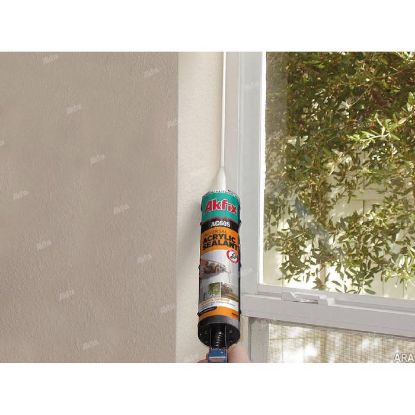
Acrylaatkit AC605 universeel wit 310ML 24x
Voorraad: 17 op voorraad
Gtin:
Artikelnummer merk: AA022
€ 40,95 incl. BTW
Prijs per Doos van 1 Stuk
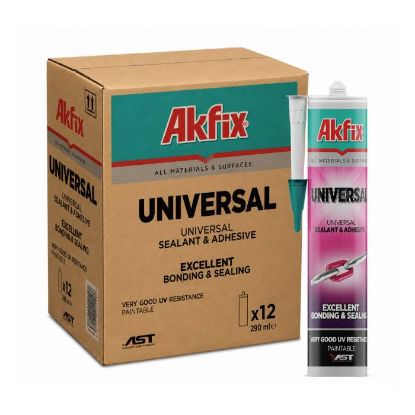
Hybrikit Universal MS polymeer wit 290ML 12x
Voorraad: 111 op voorraad
Gtin: 8699396099099
Artikelnummer merk: AMS22
€ 36,49 incl. BTW
Prijs per 1 Doos

Voegkit/dilatatiekit PU P635 zwart 310 ml
Voorraad: 12 op voorraad
Gtin: 8699396006462
Artikelnummer merk: ALM12
€ 13,92 incl. BTW
Prijs per 1 Stuk
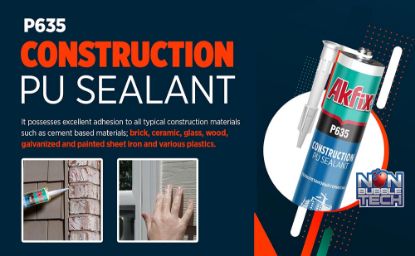
Voegkit/dilatatiekit PU P635 zwart 310 ml 12x
Voorraad: 1 op voorraad
Gtin:
Artikelnummer merk: ALM12
€ 72,49 incl. BTW
Prijs per 1 Doos
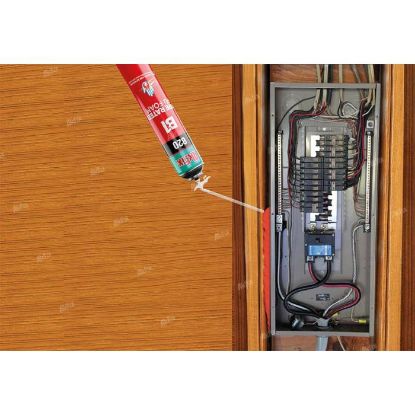
Purschuim 820P Brandvertragend B1 750ML 12x
Voorraad: 1 op voorraad
Gtin:
Artikelnummer merk: FA025
€ 89,00 incl. BTW
Prijs per 1 Doos
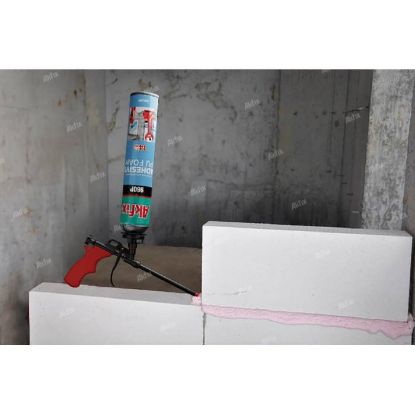
PU Isolatie lijmschuim 960P 750ML 12x
Voorraad: 58 op voorraad
Gtin:
Artikelnummer merk: FA009
€ 58,00 incl. BTW
Prijs per 1 Doos
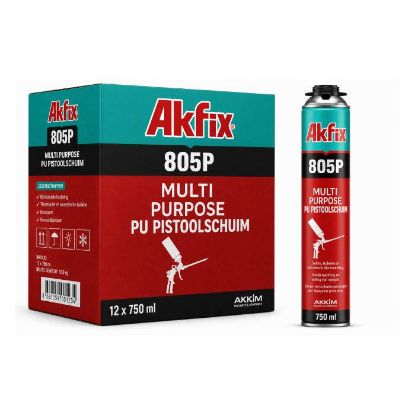
Purschuim MULTI GUNFOAM 805P 750ML 12x
Voorraad: 506 op voorraad
Gtin:
Artikelnummer merk: FA001
€ 30,20 incl. BTW
Prijs per 1 Doos
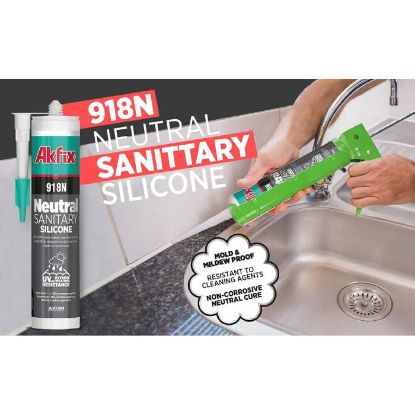
Siliconenkit 918N NO sanitair transp. 310ML
Niet op voorraad, levertijd 1 tot meerdere werkdagen
Gtin:
Artikelnummer merk: SA801
€ 7,36 incl. BTW
Prijs per 1 Stuk
Hybrikit Universal MS polymeer wit 290ML 12x
Voorraad: 140 op voorraad
Gtin:
Artikelnummer merk: AMS22
€ 36,49 incl. BTW
Prijs per 1 Doos
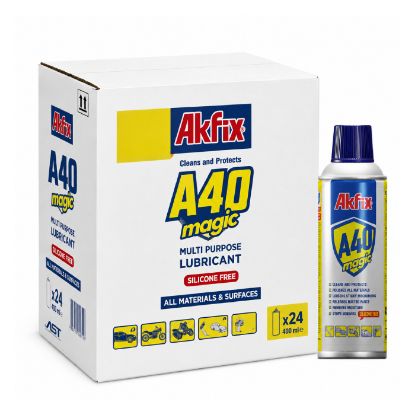
A40 MAGIC multispray stand. nozzle 400ML 24x
Voorraad: 34 op voorraad
Gtin:
Artikelnummer merk: AK2263
€ 69,95 incl. BTW
Prijs per 1 Doos
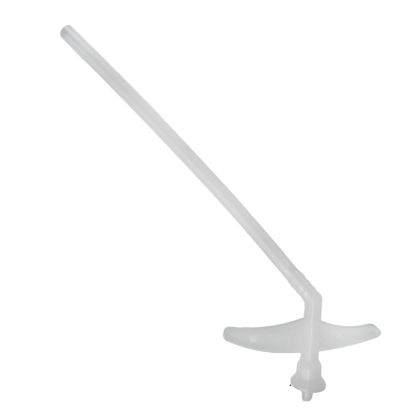
AKFIX Rietje/slangetje/tuit+adapter tbv AKFIX PUR
Voorraad: 869 op voorraad
Gtin:
Artikelnummer merk: BJC5001008954
€ 0,73 incl. BTW
Prijs per 1 Stuk
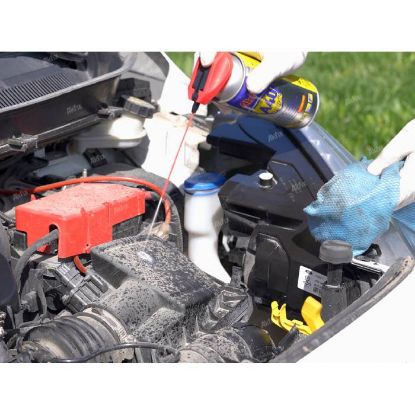
AKFIX A40 MAGIC spray standaard nozzle 400ML
Voorraad: 815 op voorraad
Gtin: 8699396065681,8699396003836,8699396004499
Artikelnummer merk: AK2263
€ 4,66 incl. BTW € 0,15 incl. BTW
Prijs per 1 Stuk
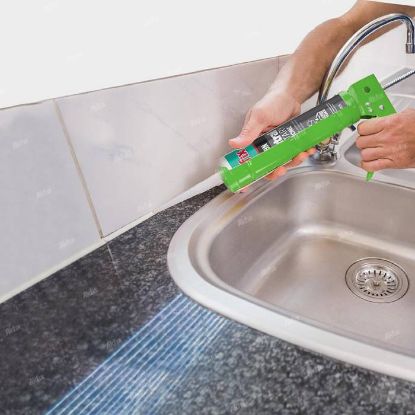
AKFIX Siliconenkit 918N NO sanitair transparant 310ML
Voorraad: 480 op voorraad
Gtin: 8699396023018,8699396023056
Artikelnummer merk: SA801
€ 7,36 incl. BTW
Prijs per 1 Stuk
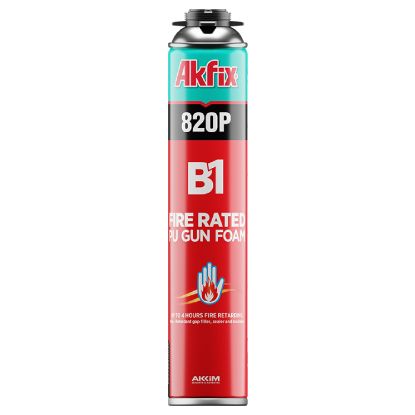
AKFIX PU-schuim 820P Brandvertragend B1 4S 750ML
Voorraad: 12 op voorraad
Gtin: 8699396062246,8699396062253
Artikelnummer merk: FA025
€ 16,07 incl. BTW
Prijs per 1 Stuk
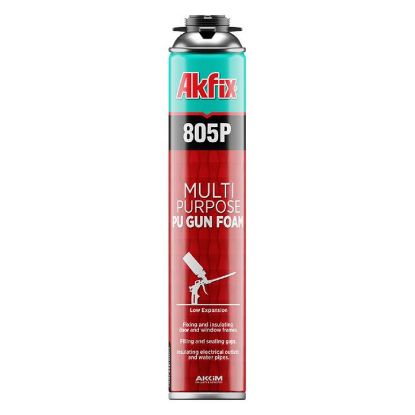
Purschuim MULTI GUNFOAM 805P lichtgeel 750ML
Voorraad: 6071 op voorraad
Gtin: 8699396076632,8699396076663,CPAKFA001,8699396100368,8699396100375
Artikelnummer merk: FA001
€ 8,83 incl. BTW
Prijs per 1 Stuk
BLOG

Think All Polyurethane Foams Are the Same? Think Again.
A Practical Guide to Using Polyurethane Foam the Right Way
Polyurethane (PU) mounting foams can be lifesavers in construction and renovation projects. However, if they are not used in the right place, with the right product, and with the correct technique, they can quickly turn into a serious headache.
In this guide, we'll walk you through the most common issues with polyurethane filling and mounting foams, along with the real reasons behind them and practical solutions.
Polyurethane foams expand as a result of a chemical reaction. While this property is highly beneficial, it can also cause serious problems if not properly controlled.
The most common issues generally stem from three main causes:
- Choosing the wrong product
- Incorrect application technique
- Unsuitable environmental conditions
Polyurethane Foam Expands Too Much (Over-Expansion)
One of the most common issues is that the polyurethane foam expands far more than expected after application, causing door frames or window frames to bend.
- Situation:
Polyurethane (PU) foam continues to expand as it cures and can exert significant pressure on the surfaces where it is applied.
- Solution:
Door frames should always be supported with spacers or wedges, and gaps should only be filled 30 –50% of their volume.
A more practical solution:
Use foams specifically developed for installing door and window frames.
Akfix 806 Door and Window Installation Foam is one of the most suitable products for this application.

Polyurethane Foam Not Curing Properly
Many users complain that the foam remains soft inside or does not cure at all.
- Situation:
PU foams cure with moisture in the air. If the environment is too dry, or if too much foam is applied into a deep cavity in one go, the inner layers cannot receive enough moisture and may remain liquid.
- Solution:
Lightly mist the surface with water before application and between layers. This helps the foam cure faster and creates a stronger cellular structure.
A practical solution:
For filling larger gaps, use foams designed specifically for cavity filling.
Akfix 805 General Purpose Polyurethane Foam is ideal for this purpose.
Cleaning and Unwanted Stains
The warning "If it gets on your hands, it won't come off" is not a myth — it's true.
- Situation:
When PU foam gets onto unwanted surfaces (flooring, marble, hands, clothes, skin, etc.), it is extremely difficult to clean.
- Important:
Trying to wipe uncured foam with a cloth or remove it by hand only spreads the stain and may cause it to stick to your skin.
- Solution:
Uncured foam can only be removed with acetone or a specialized foam cleaner spray.
Once cured, the only option is mechanical removal (scraping).
Akfix 800C Polyurethane Foam and Gun Cleaner Spray instantly removes uncured foam and is also used for cleaning professional foam guns after application. This prevents foam from hardening inside the gun so it can be reused.

Single-Use Problem
One of the biggest frustrations for DIY users is that after using only half the can, the foam hardens inside the straw.
- Situation:
Once a straw-type (manual) foam can is opened, air enters the valve and the internal mechanism can harden quickly, causing the remaining product to be wasted.
- Solution:
If your application area is small, choose smaller can sizes (for example 500 ml instead of 750 ml).
If your project is larger or will take longer, it is better to use professional gun-grade foam, because as long as the gun remains attached, the foam can stay usable for months.
If you prefer not to use a foam gun, choose products designed to prevent clogging.
Akfix 940 Safety Valve Polyurethane Foam is designed not to clog after application and can be reused multiple times.
Poor UV Resistance (Sunlight Damage)
Foam used on exterior surfaces often turns from orange to dark brown and begins to crumble over time.
- Situation:
PU foams are not resistant to UV radiation. Prolonged exposure to sunlight causes them to degrade, lose their structure, and crumble.
- Solution:
After the foam cures and excess material is trimmed, it should always be covered with paint, plaster, or another protective coating.
It should never be left directly exposed to sunlight.
This applies to all polyurethane foams.
Straw or Valve Clogging
One of the most frustrating situations is when polyurethane foam does not come out even though there is still product inside the can.
- Situation:
Improper storage conditions, storing the can horizontally, or dried residue around the valve can block the foam outlet.
- Warning:
Forcing the valve or attempting to puncture the can is extremely dangerous and can cause an explosion.
- Solution:
Foam products must be stored according to the temperature conditions indicated on the can.
Before application, the can should be kept at room temperature for at least 12 hours.
Always store cans upright, and shake vigorously for at least 20–30 seconds before use.
Low Yield (Coverage Issues)
"It says 750 ml, but it filled very little space."
- Situation:
The yield of a foam can depends on application technique, temperature, humidity, and application speed.
In cold environments, the foam may not expand properly and can remain inside the can.
- Solution:
If you need to apply foam in cold weather, place the can in lukewarm water (never directly on a heater or open flame) to bring it to room temperature.
This can increase yield by up to 25%.
Choosing the Wrong Product
Not every foam is suitable for every job.
Consumers often buy the cheapest or most readily available foam, assuming that all polyurethane foams are the same.
However, not every polyurethane foam solves every problem.
Example problems:
- Using standard mounting foam to install EPS/XPS insulation boards may push the boards out of alignment because of excessive expansion.
- Using summer-grade foam in cold weather can significantly reduce performance.
- Using foam designed for sound or thermal insulation as an adhesive may lead to long-term issues.
- Using low-expansion foam to fill large cavities can cause unnecessary material consumption and economic loss.
- Using high-expansion foam in narrow gaps may lead to deformation.
These examples could be multiplied.
- Solution:
Always choose the right product for the right job.
Use:
- Foams specifically designed for sound and thermal insulation
- Adhesive foams for EPS, XPS, and insulation boards
- Appropriate expansion foams depending on the gap size and application type Never assume that one foam fits every application.

Think All Polyurethane Foams Are the Same? Think Again. -donderdag 6 november 2025
Polyurethane (PU) mounting foams can be lifesavers in construction and renovation projects. However, if they are not used in the right place, with the right product, and with the correct technique, they can quickly turn into a serious headache
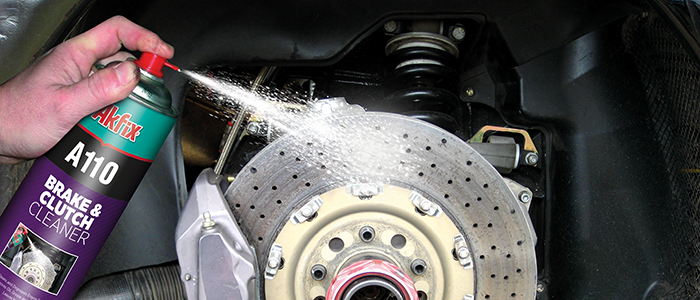
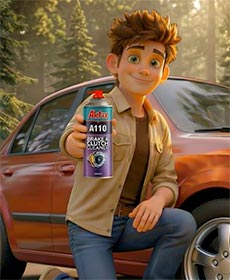
Professional Brake & Pad Maintenance: Safe Driving with Akfix A110
Brake and pad systems are among the most critical components of vehicle maintenance. Over time, accumulated dust, oil, and grime not only reduce driving comfort but can also compromise your safety. Akfix A110 Brake & Clutch Cleaner provides a long-lasting, professional solution to these issues, helping maximize your vehicle's performance.
Why Should You Use a Brake & Clutch Cleaner?
Debris buildup in brake systems can cause unwanted noise and reduced performance. Using Akfix A110 Brake & Clutch Cleaner offers the following advantages:
- Eliminates Noise: Reduces brake squeal for a smoother, more comfortable ride.
- Enhances Performance: Removes residue and contamination from brake pads, improving braking efficiency.
- Fast, Residue-Free Cleaning: Its special formula evaporates quickly from the surface without leaving any residue behind.
- Non-Corrosive Formula: Safe for metal components. Leaves no stains and maintains structural stability.
Key Features of Akfix A110 Brake & Clutch Cleaner
Known globally as A110 Brake & Clutch Cleaner, this product is a technological solution designed to simplify maintenance:
- 360° Application: Thanks to its special valve system, the can can be used upside down. This allows easy access to tight and hard-to-reach areas for deep and effective cleaning.
- No Disassembly Required: Can be applied directly without removing parts, ensuring practical and convenient use.
- Cost Efficient: Saves time and reduces overall maintenance costs.
Where Can Akfix A110 Be Used?
This versatile cleaner delivers excellent results on all critical brake system components:
- Brake pads
- Drums and cylinders
- Springs, calipers, and wedge brakes
- Brake discs
Stop. Clean. Go.
For safe stopping power and high performance, say goodbye to dust, dirt, and noise with this product developed under the vision of Permanent Solutions. Drive forward with confidence.
Professional Brake & Pad Maintenance: Safe Driving with Akfix A110 -donderdag 6 november 2025
Brake and pad systems are among the most critical components of vehicle maintenance. Over time, accumulated dust, oil, and grime not only reduce driving comfort but can also compromise your safety.
How is Thermal and Sound Insulation Performed in the Roof?
Garrets are one of the areas where the house experiences the most heat loss and external sounds are heard most intensely. Therefore, effective heat and sound insulation in the roof increases comfort and saves energy. So how is the insulation of the garret performed, which materials should be preferred, what should be considered during the application? Here in this article, you can find all the details you need!
Why to Insulate the Garret?
- Energy Efficiency: Prevents heat loss during the winter and hot air from penetrating during the summer. This provides significant savings in heating and cooling costs.
- Increased Comfort: Reducing outdoor noise offers a more peaceful living space.
- Prevents Moisture and Condensation: Proper insulation reduces the risk of mold and dampness by preventing moisture from forming on the roof.
- Structural Protection: Provides a long-lasting structure on wooden or concrete roofs.
Materials Applied in Rooftop Insulation
- Glass Wool / Rock Wool: They are among the most commonly applied materials in terms of thermal and sound insulation. Bearing fire resistant property is also an important advantage.
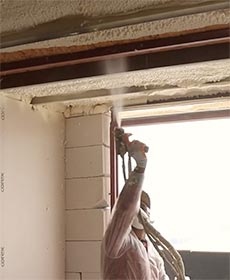
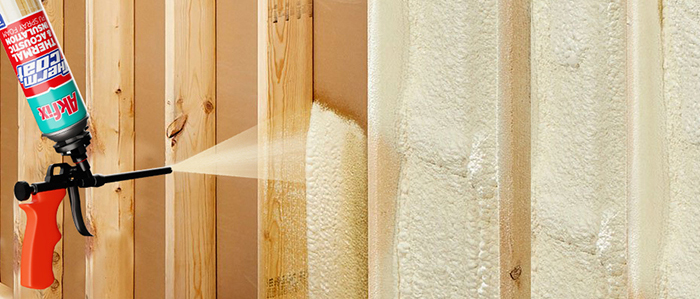
- Polyurethane Foam (PU Foam): It can be applied as a spray. Applied quickly, easily and practically with a foam gun for those who would like to perform their own insulation. Minimizes both heat and sound transmission by filling all gaps. Spray Polyurethane insulation foam is an effective solution in thin roofs.
- EPS / XPS Sheets: Provides thermal insulation. It is preferred with its light and easy-to-apply structure.
- Sound Insulation Sponges: Applied especially for sound insulation in garrets converted into living spaces.
- Vapor Barriers: Applied to prevent condensation and maintain the performance of the material.
How to Perform Insulation Between Narrow Garrets?
In cases where the garret is narrow, thin and effective insulation materials should be preferred to prevent volume loss. In such applications, spray PU foam comes to the forefront as among the most suitable solutions. It is sprayed into ceiling and wall spaces and covers all surfaces. In this way, there is no gap and a high-performance insulation is provided.
Conclusion: Correct Isolation, A Comfortable Life
Garret insulation not only keeps you warm in winter; but increases the comfort of your home throughout the year, contributes to your budget and protects your structure. Applications performed by professional products and expert teams offer years of trouble-free performance.
Thanks to modern insulation materials offering effective solutions even in narrow spaces, garrets are no longer the site of energy leaks, but of comfort.
Akfix Thermcoat spray sound and thermal insulation foam offers you this comfort. Akfix Thermcoat is a PU foam system suitable for professional and individual use, providing both thermal and sound insulation in a single application. Since it is in the form of spray, it can be easily applied to narrow and complex surfaces such as garrets, does not leave gaps on the surface and provides maximum insulation.
Akfix Thermcoat provides excellent adhesion to all building materials. It can be easily applied in areas that are irregular, difficult to reach and where it is not possible to apply traditional insulation materials. There is no need for mechanical fixation such as screwing and doweling after application. Paint and coating can be applied on it.
How is Thermal and Sound Insulation Performed in the Roof? -donderdag 6 november 2025
Garrets are one of the areas where the house experiences the most heat loss and external sounds are heard most intensely. Therefore, effective heat and sound insulation in the roof increases comfort and saves energy.
Partners & Merken